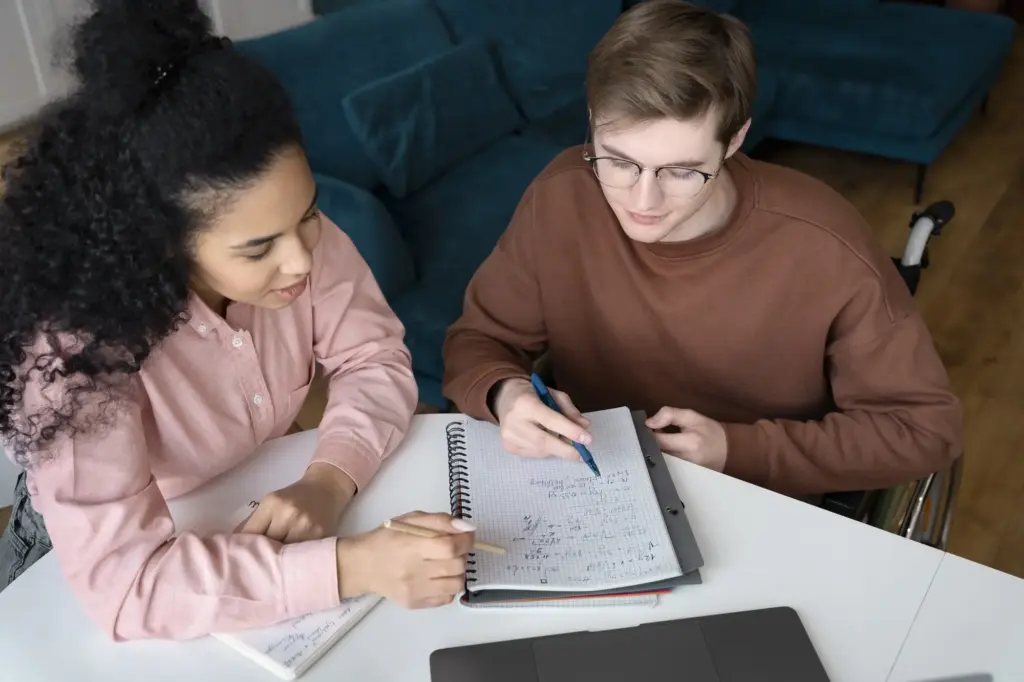





Start with a broad, nonjudgmental question, then probe for evidence using neutral prompts. Paraphrase faithfully, point physically to what speakers cite, and chart language precisely. Over time, students internalize routines, increase specificity, and experience how respectful, collective noticing produces rigor without shutting curiosity down.
Invite a concise claim about what an image, chart, or model suggests. Ask for supporting details anchored in observable features, then open space for authentic questions. Students encounter nuance, grapple with uncertainty, and realize that unanswered questions can propel investigation rather than signal failure.
Provide sketch‑note pages divided for raw observations, emerging theories, and citations. Across days, learners revisit earlier entries, add color codes, and challenge or refine interpretations. The notebook becomes a visible record of growing precision, turning attention into artifacts that make thinking teachable.
Invite students to draw observed phenomena before labeling concepts. Encourage arrows, magnified details, and time‑sequence panels, then compare with instrument readings. The pairing of sketches and numbers cultivates skepticism, encourages replication, and keeps discussion moored to evidence rather than hunches or prematurely named theories.
Treat a coordinate plane, network diagram, or histogram as a story about relationships. Ask what repeats, what varies, and where something surprises. Students annotate directly on the visual, citing bins, scales, and outliers, then propose next steps a mathematician or scientist might test.
Analyze photographs, posters, or editorial cartoons with sourcing questions. Who created this, for whom, and when? What details signal bias or intention? Cross‑check with contemporary accounts. Learners distinguish observation from judgment while understanding how images function as evidence within broader historical conversations.

Co‑create transparent criteria with students. Name what strong noticing looks like: precise language, multiple perspectives, citations to features, and thoughtful acknowledgment of uncertainty. Calibrate by scoring sample responses together, then revisit descriptors quarterly so expectations evolve alongside growing sophistication and changing unit goals.

During brief conferences, ask for one observation anchored to a point in the visual, then a tentative inference linked to it. Offer a single, actionable nudge, not a lecture. Track patterns across the class to plan mini‑lessons that address shared needs with clarity and kindness.

Invite students to curate sets of images, sketches, and written analyses that show growth. Schedule gallery walks where peers leave warm feedback and probing questions. Close with a reflection letter that cites specific moments of improved precision, persistence, and openness to revising earlier interpretations.