See Sharper: Mindful Observation That Elevates Critical Reasoning

Step into a practice designed to sharpen how you notice, compare, and conclude. We are exploring mindful observation practices for enhancing critical reasoning, turning everyday moments into training for clarity, fairness, and depth. Through simple, repeatable rituals—breath-anchored attention, five-sense scans, bias checks, and structured note-taking—you will learn to see patterns before they harden into assumptions. Expect short drills, reflective prompts, and stories from professionals who improved decisions by slowing down to truly look. Share your own experiments, subscribe for weekly challenges, and join a community committed to observing with patience and thinking with courage.

Foundations of Attentive Seeing

Critical reasoning improves when attention slows enough to register fine detail, context, and change over time. This foundation begins with cultivating steadiness in the body, curiosity in the mind, and humility about incomplete evidence. Practice small, frequent sessions that build stamina for noticing without judgment, then gently convert observations into testable questions, rather than rushing toward conclusions.

Bias Check: Training Fair-Minded Attention

Intelligent observation often derails when hidden biases rush ahead of evidence. By explicitly naming common traps—confirmation, anchoring, availability—you create space to verify impressions against contrary data. Practicing fair-minded attention feels slower at first, yet it prevents costly rework and protects relationships. Regular bias check-ins transform stubborn opinions into provisional, revisable hypotheses, strengthening both confidence and accuracy.

Notebook Habits That Build Judgment

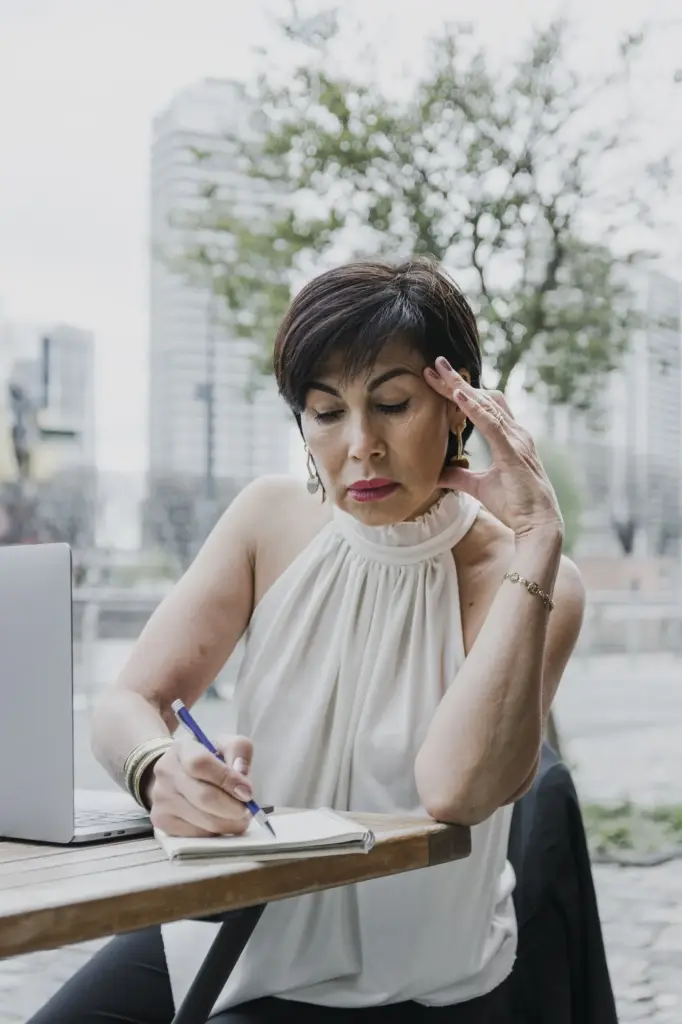
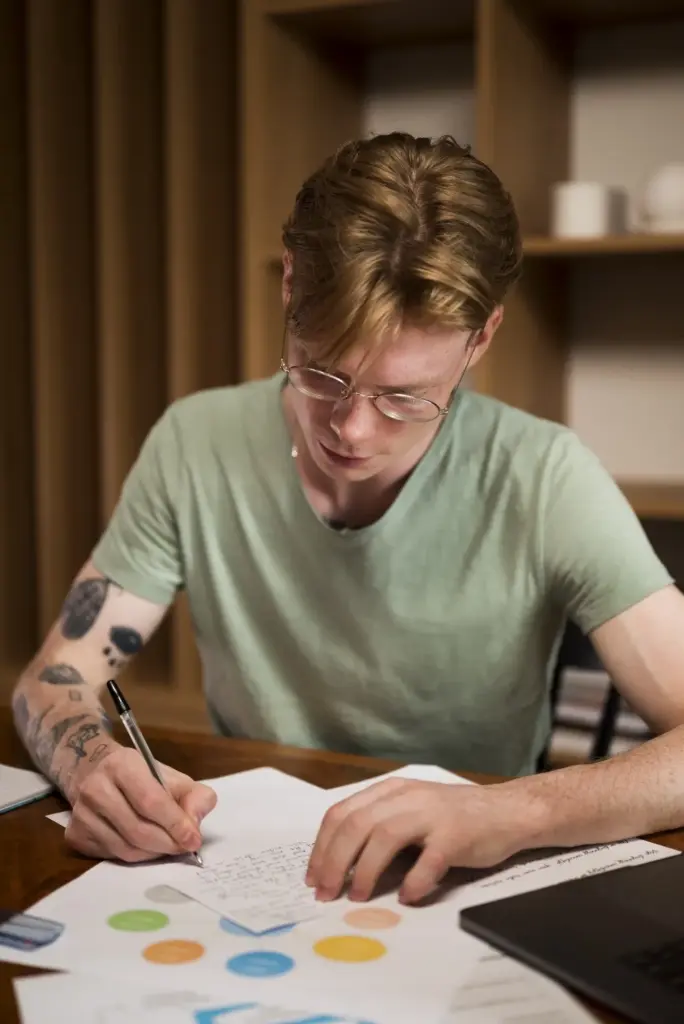
A humble notebook turns fleeting observations into cumulative insight. By separating raw description from interpretation and questions, you create an audit trail your future self can review without confusion. Consistent structure accelerates learning across domains, whether you are auditing a process, studying nature, or comparing articles. The page becomes a lab bench where thinking is visible, replicable, and steadily improved.

From Senses to Synthesis: Making Meaning

Observation supplies raw material; reasoning shapes it into claims you can test, refine, or reject. Move deliberately between inductive patterns, deductive checks, and abductive hunches, documenting each step. When evidence conflicts, downgrade certainty rather than forcing fit. Disciplined synthesis respects ambiguity while still moving decisions forward with transparent justifications others can examine.

Real-World Drills You Can Start Today

Short, concrete exercises transform aspiration into ability. By embedding mindful observation into errands and routines, you build skill without extra hours. Each drill pairs a focus constraint with a quick review, so gains are visible. Share your results in the comments to inspire others and refine the collection together.

01

Commute Scan Challenge

During the next ride or walk, identify five repeatable cues that signal bottlenecks or smooth flow—lights, signage, driver behavior, sidewalk width, or weather. Log timestamps for two days. Compare patterns and propose one small change to test. You will feel agency returning the moment evidence guides adjustments.

02

Tasting Notes, Thinking Notes

Brew two cups of the same tea at different temperatures. Describe aroma, mouthfeel, and aftertaste without value judgments. Then infer which variable mattered and why, planning one follow-up tweak. Translating sensory precision into explanation strengthens the bridge between noticing and reasoning in delicious, memorable ways.

03

News Trifecta Comparison

Choose one developing story and read three outlets with distinct editorial leanings. Extract only the verifiable facts they share, then list differences in framing and omitted details. Finally, draft clarifying questions you would ask a reporter. This routine upgrades media literacy and expands intellectual empathy.

Team Practices for Shared Clarity
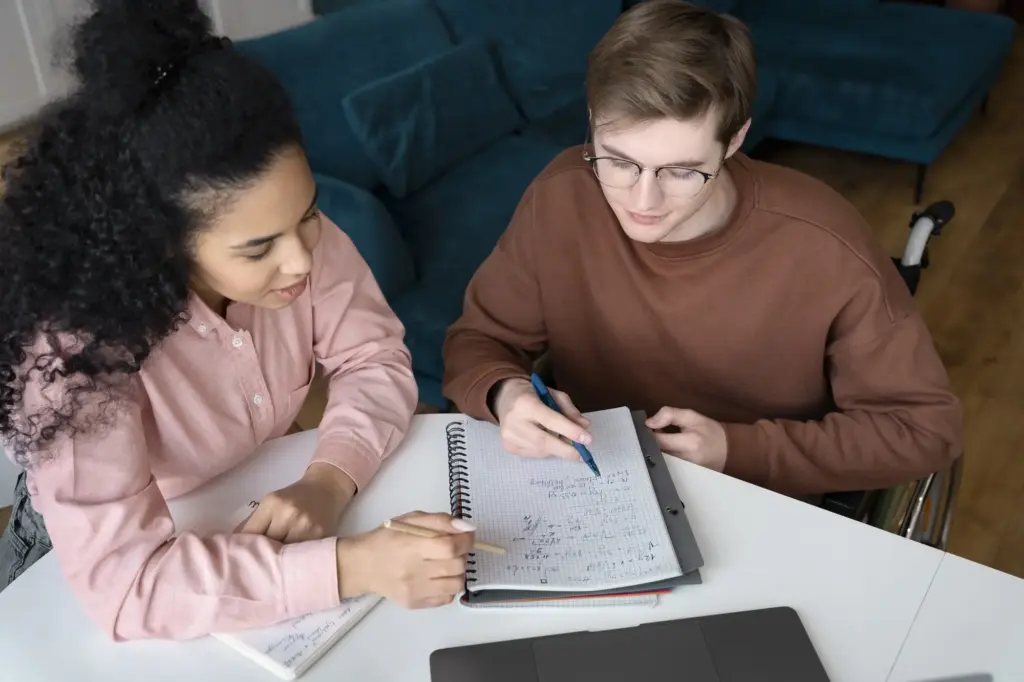
Groups think better when observation duties and reasoning steps are explicit. Establish rituals that separate noticing from judging, reduce status pressure, and surface contradicting signals early. Document agreements and uncertainties with the same care. The result is faster alignment, fewer surprises, and decisions resilient to new information.